
Luxury branding is rarely loud.
The world’s most premium brands often rely on typography that feels restrained, balanced, elegant, and highly intentional. In modern branding, typography plays a major role in shaping how audiences perceive exclusivity, sophistication, and quality.
A luxury font is not simply decorative. In fact, many premium brands avoid overly complicated typography altogether.
Instead, luxury typography usually focuses on:
- Precision
- Spacing
- Simplicity
- Contrast
- Editorial influence
- Timeless aesthetics
- Visual confidence
In this article, we explore what makes a font feel luxurious and why modern premium branding continues moving toward refined typography systems.
Why Typography Matters in Luxury Branding
Luxury is an emotional perception.
People often associate premium brands with qualities such as:
- Trust
- Exclusivity
- Sophistication
- Elegance
- Confidence
- Minimalism
- Craftsmanship
Typography helps communicate these feelings before customers even interact with the product itself.
A poorly chosen font can instantly reduce premium perception, while a refined typography system can make a brand feel dramatically more elevated.
This is why luxury branding places enormous importance on typography details.
1. Luxury Fonts Use Strong Spacing
One of the biggest characteristics of luxury typography is spacing.
Premium fonts often feel more breathable, balanced, and controlled. The spacing between letters creates rhythm and visual calmness.
Luxury branding rarely feels crowded.
Instead, elegant typography systems use whitespace strategically to create sophistication and confidence.
This explains why many luxury fashion, skincare, editorial, and hospitality brands rely on typography with:
- Open spacing
- Balanced proportions
- Clean structure
- Controlled rhythm
Whitespace itself becomes part of the luxury experience.
2. Simplicity Often Feels More Premium
Many people assume luxury fonts must be highly decorative.
Modern branding trends suggest the opposite.
Today’s premium typography often feels:
- Minimal
- Clean
- Restrained
- Editorial
- Sophisticated
This is one reason modern luxury branding increasingly uses clean serif fonts, elegant editorial typography, and minimalist sans serif systems.
Simple typography feels more timeless.
And timelessness is deeply connected to luxury perception.
3. Editorial Influence Creates Sophistication
Editorial design has heavily influenced modern luxury branding.
High-end fashion magazines, beauty campaigns, luxury packaging, and premium lifestyle brands often use typography inspired by editorial systems.
These fonts typically feature:
- Elegant contrast
- Sophisticated proportions
- Refined curves
- Balanced rhythm
- Clean hierarchy
Editorial-inspired typography helps brands feel more curated and elevated.
Fonts like Vogera, Imperial Aureas, The Letter Editorial, and Serelia reflect this growing demand for modern editorial luxury aesthetics.
4. Contrast Creates Visual Elegance
Luxury typography often uses contrast strategically.
This contrast may appear through:
- Thick and thin strokes
- Serif details
- Minimal layouts
- Typography scale
- Large whitespace areas
- Refined composition
Contrast creates visual tension, which helps typography feel more intentional and artistic.
However, modern luxury branding usually balances contrast carefully to maintain readability and sophistication.
5. Timelessness Is More Important Than Trends
Luxury brands rarely chase short-term trends aggressively.
Instead, premium branding systems focus on longevity.
Typography that feels too trendy often becomes outdated quickly, reducing the perception of exclusivity and refinement.
Timeless typography systems typically prioritize:
- Readability
- Balance
- Simplicity
- Elegant proportions
- Strong composition
- Consistency
This is why many luxury brands evolve slowly instead of constantly redesigning their visual identity.
6. Premium Typography Feels Confident
Luxury branding usually avoids visual desperation.
Overly decorative fonts, excessive effects, and chaotic layouts often weaken premium perception.
Confident typography feels:
- Calm
- Controlled
- Intentional
- Structured
- Refined
Minimalism becomes powerful when every detail feels deliberate.
This is one reason why modern luxury branding often appears visually simpler than mainstream branding.
Best Fonts for Luxury Branding

Vogera
Vogera combines modern editorial aesthetics with refined sophistication.
The font feels fashionable, premium, and contemporary while maintaining strong readability and clean structure.
It works beautifully for:
- Luxury beauty brands
- Fashion campaigns
- Editorial branding
- Premium packaging
- Modern hospitality branding
Its balance between elegance and modern minimalism makes it highly versatile for luxury identity systems.
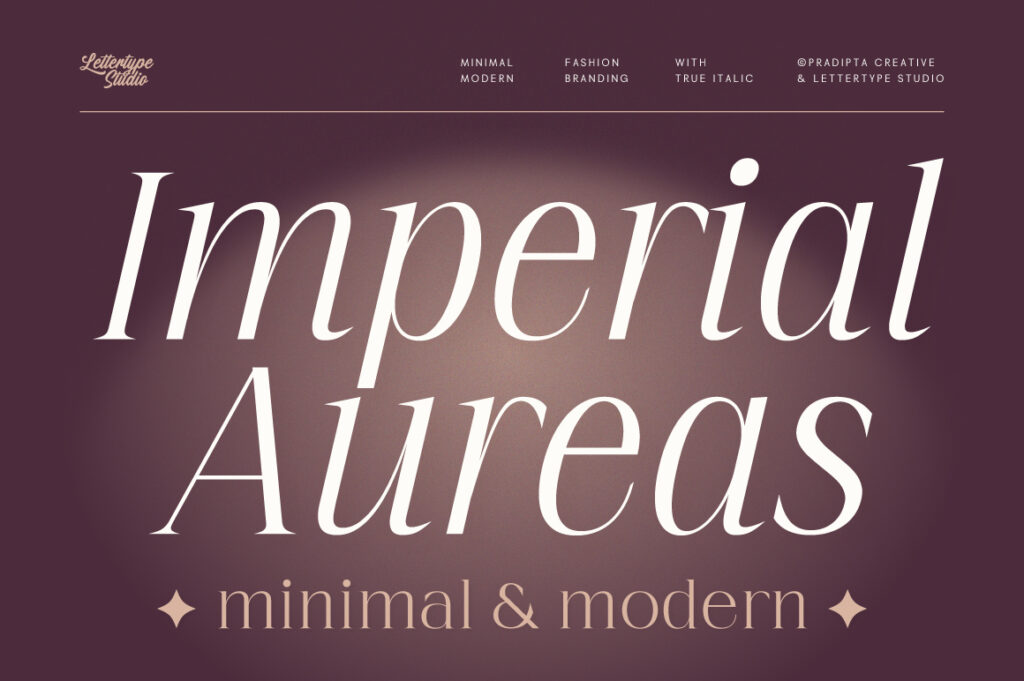
Imperial Aureas
Imperial Aureas delivers a stronger high-end serif presence.
The font feels timeless, elegant, and deeply luxurious, making it ideal for brands targeting premium positioning.
Best applications include:
- Luxury packaging
- Perfume branding
- Fashion editorials
- Premium product campaigns
- Boutique hospitality
Its refined serif structure creates strong visual sophistication.

The Letter Editorial
The Letter Editorial embraces modern editorial luxury directly.
Inspired by contemporary magazine aesthetics, the font creates a clean and highly curated visual atmosphere.
It is highly effective for:
- Editorial branding
- Luxury publishing
- Fashion campaigns
- Premium websites
- High-end visual identities
The font reflects the growing relationship between editorial design and luxury branding systems.

Serelia
Serelia offers softer feminine elegance while maintaining premium structure.
The font works beautifully for:
- Skincare brands
- Beauty packaging
- Wellness campaigns
- Luxury feminine branding
- Boutique cosmetic labels
Its refined personality helps products feel emotionally warm and visually elevated.
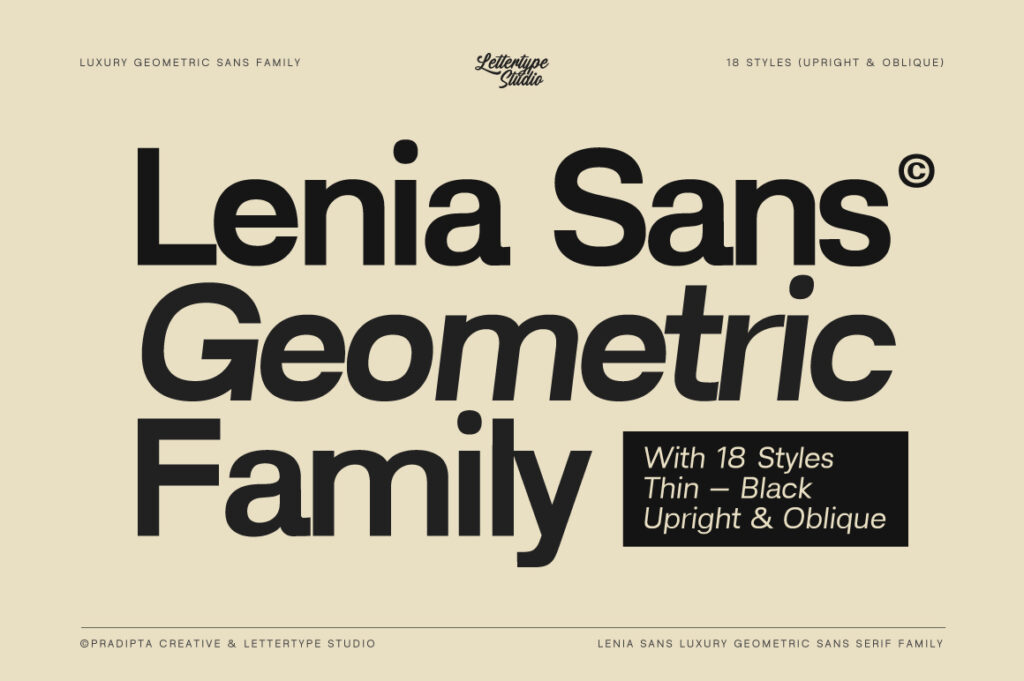
Lenia Sans
Modern luxury branding is not limited to serif typography.
Many contemporary premium brands now use clean sans-serif systems to create a more minimal and modern identity.
Lenia Sans works especially well for:
- Minimal luxury brands
- Modern skincare
- Digital luxury startups
- Contemporary packaging
- Lifestyle branding
Its geometric simplicity creates clean, premium confidence.
Modern Luxury Typography Trends
Luxury typography trends continue evolving toward:
- Editorial minimalism
- Elegant serif systems
- Clean sans-serif branding
- Soft neutral palettes
- Refined whitespace
- Calm visual composition
- Minimal layouts
- Sophisticated readability
Many brands are moving away from excessive ornamentation and embracing cleaner, premium aesthetics.
This shift reflects broader changes in modern branding and digital design.
Common Mistakes That Reduce Luxury Perception
Overdecorating Typography
Too many flourishes can make branding feel outdated.
Using Cheap-Looking Fonts
Typography quality strongly affects trust perception.
Poor Spacing
Luxury typography relies heavily on spacing and rhythm.
Following Trends Too Aggressively
Timelessness usually feels more premium than trend-chasing.
Weak Typography Pairing
Luxury branding requires visual harmony between fonts.
Final Thoughts
Luxury typography is not about adding more decoration. It is about creating refinement through balance, spacing, simplicity, and intentional design.
The most premium brands often rely on typography systems that feel calm, confident, and timeless.
Fonts like Vogera, Imperial Aureas, The Letter Editorial, Serelia, and Lenia Sans reflect the growing demand for modern luxury typography that balances elegance with usability.
As branding continues evolving toward cleaner and more editorial visual systems, typography will remain one of the strongest foundations of premium brand perception.