
Furniture is more than a functional object. In the premium market, it becomes part of a lifestyle, an expression of taste, and often a defining element of an interior. The materials, proportions, craftsmanship, and presentation all contribute to how a furniture brand is perceived.
Typography plays a similar role in the brand identity. Before customers experience the quality of a chair, table, sofa, or lighting collection, they encounter the brand through its logo, catalog, website, packaging, and showroom materials.
The right furniture branding font can communicate craftsmanship, sophistication, and design confidence while creating a visual identity that feels as carefully considered as the products themselves.
Why Typography Matters in Furniture Branding
Premium furniture brands compete through design and perception.
Customers looking for high-end furniture aren’t simply comparing products. They’re looking for pieces that fit their personal style and communicate a certain lifestyle. A strong visual identity helps establish that emotional connection before a customer ever enters the showroom.
Typography can communicate:
- Craftsmanship
- Sophistication
- Quality
- Contemporary design
- Timeless appeal
When the typography reflects the character of the collection, the entire brand experience feels more cohesive.
Recommended for Premium Furniture Studios
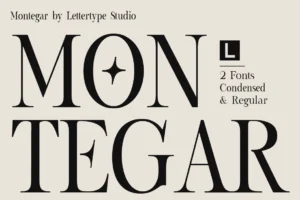

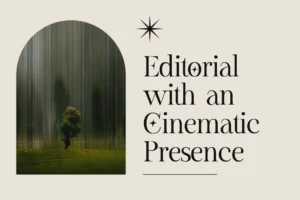

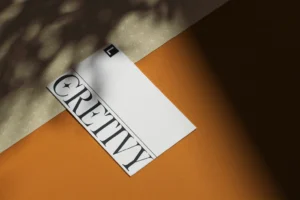
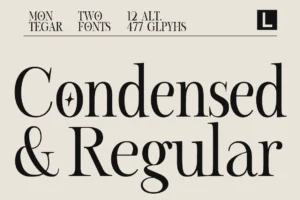
Montegar combines refined editorial proportions with sophisticated serif details, making it an excellent choice for furniture brands that want to communicate craftsmanship, luxury, and timeless design.
Characteristics of Great Furniture Branding Fonts
Furniture branding doesn’t necessarily need complicated typography.
In fact, the strongest premium furniture identities often use simple, refined typefaces that allow the products to remain the visual focus.
Look for fonts with:
- Elegant proportions
- Balanced spacing
- Strong readability
- Refined details
- Timeless character
- Editorial influence
The typography should support the furniture rather than compete with it.
Recommended for Contemporary Collections
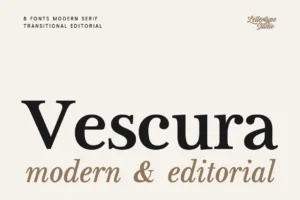
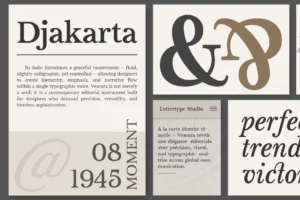

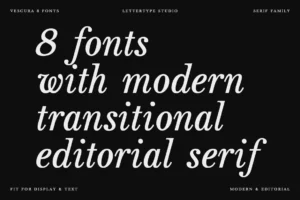
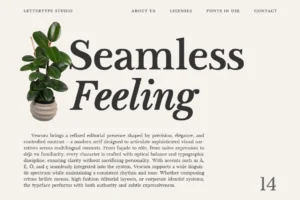
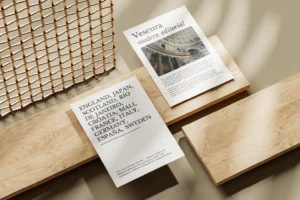
For furniture brands with a more editorial and sophisticated personality, Vescura provides high-contrast serif details that work particularly well for collection names, campaign headlines, catalogs, and premium advertising.
Typography Across the Furniture Brand Experience
A furniture brand communicates through many different touchpoints.
Typography can appear on:
- Logos
- Product catalogs
- Collection names
- Showroom signage
- Websites
- Product tags
- Packaging
- Lookbooks
- Social media
- Interior styling guides
Consistency across these applications helps customers recognize the brand while creating a more premium experience.
A well-designed typography system can also make a large furniture collection feel more organized and intentional.
Recommended for Luxury Showrooms
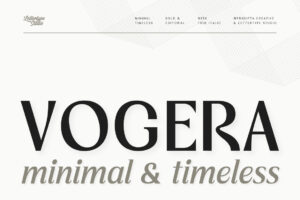
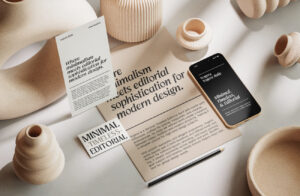
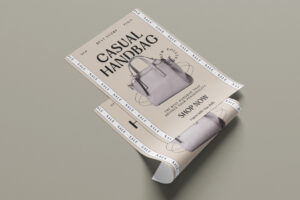

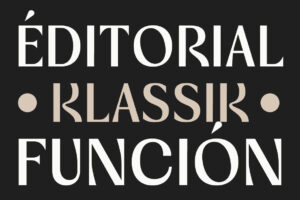

Vogera offers timeless serif elegance with a refined contemporary character, making it suitable for showroom branding, furniture catalogs, collection presentations, and premium websites.
Editorial Typography and Furniture Design
High-end furniture brands often share a visual language with architecture, interior design, and fashion.
Editorial-inspired typography works particularly well because it creates space around the products. Large headlines, generous white space, and carefully structured layouts allow furniture photography and materials to become the focus.
This approach is particularly effective for:
- Furniture catalogs
- Collection launches
- Designer collaborations
- Luxury home campaigns
- Showroom presentations
- Architectural furniture brands
The result is a visual identity that feels more like a design publication than a traditional retail advertisement.
Recommended for Editorial Furniture Branding
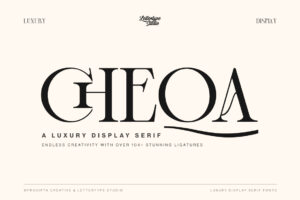
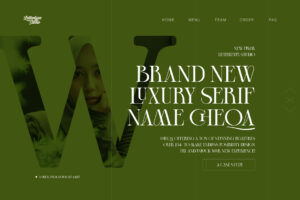
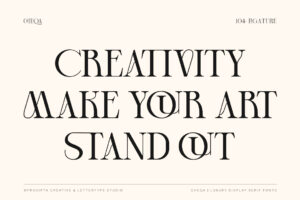
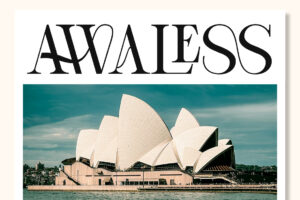

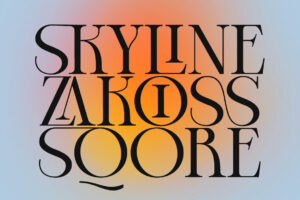
Cheqa brings a sophisticated serif character with graceful proportions, making it a strong choice for furniture studios that want a classic yet contemporary identity across catalogs, packaging, and showroom materials.
Choosing the Right Font for a Furniture Brand
The best font depends on the character of the furniture collection.
A minimalist furniture studio may prefer restrained typography, while a heritage furniture maker might benefit from a more traditional serif. Contemporary luxury brands can also use editorial typefaces to create a stronger connection with fashion and architectural design.
Before choosing a font, consider:
- Does it reflect the furniture’s design language?
- Does it complement the materials and photography?
- Will it remain relevant as collections evolve?
- Is it readable in both large and small applications?
- Does it work across print and digital platforms?
A good typeface should be flexible enough to grow with the brand.
Recommended for Refined Furniture Collections
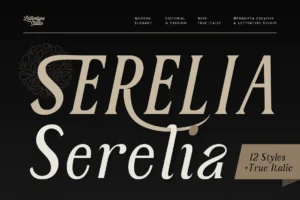
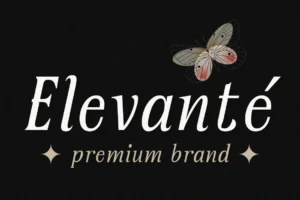

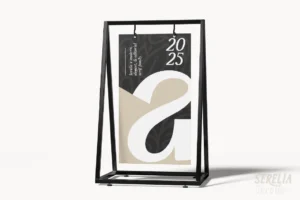
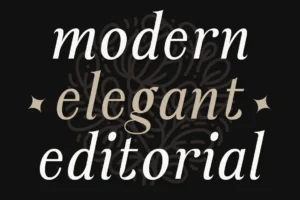

Serelia offers graceful serif details and an elegant editorial personality that works beautifully for premium furniture collections, heritage-inspired studios, luxury home brands, and sophisticated lifestyle campaigns.
Creating a Premium Furniture Experience
The best furniture brands understand that the customer experience extends beyond the product.
A beautifully designed catalog, showroom, website, and packaging can transform the process of discovering furniture into an experience of its own.
Typography connects these elements together.
When the same visual language appears across a showroom wall, product catalog, website, and collection card, customers begin to recognize the brand as a complete design system rather than simply a furniture manufacturer.
Recommended for Lifestyle Furniture Brands

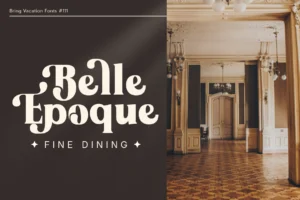
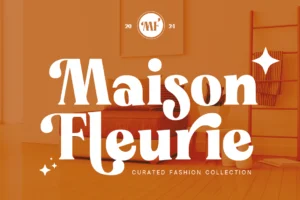



For furniture collections inspired by travel, nature, and relaxed luxury, Bring Vacation offers a distinctive lifestyle character that works particularly well for resort furniture, outdoor collections, boutique interiors, and destination-inspired brands.
Typography Should Let the Product Lead
One of the biggest mistakes in furniture branding is using typography that competes with the product.
Furniture already has strong visual characteristics: texture, shape, material, color, and proportion. Typography should create the supporting framework rather than become the main attraction.
This is why refined serif typography works so well in premium furniture branding. It creates hierarchy and personality while allowing the product photography and design details to remain the hero.
A carefully selected typeface can make a collection feel more cohesive, more considered, and ultimately more valuable.
Conclusion
High-end furniture brands are built around craftsmanship, materials, and thoughtful design. Their typography should communicate those same qualities.
The right furniture branding font creates a sophisticated visual identity that works across catalogs, showrooms, websites, packaging, and campaigns. More importantly, it helps customers understand the personality and value of a collection before they experience the product itself.
Whether you’re building a contemporary furniture studio, a heritage design house, or a premium home lifestyle brand, investing in timeless typography can elevate the entire customer experience.
Explore the premium serif collection from Lettertype Studio to discover professionally crafted typefaces designed for furniture brands, interior studios, architecture practices, and sophisticated lifestyle identities.
Featured Fonts from Lettertype Studio
- Montegar — Refined editorial serif for premium furniture and design studios.
- Vescura — High-contrast serif for collection campaigns and editorial catalogs.
- Vogera — Timeless serif for luxury showrooms and furniture identities.
- Cheqa — Sophisticated serif for catalogs, packaging, and premium branding.
- Serelia — Elegant editorial serif for heritage and luxury furniture collections.
- Bring Vacation — Lifestyle serif for resort furniture and relaxed luxury brands.